
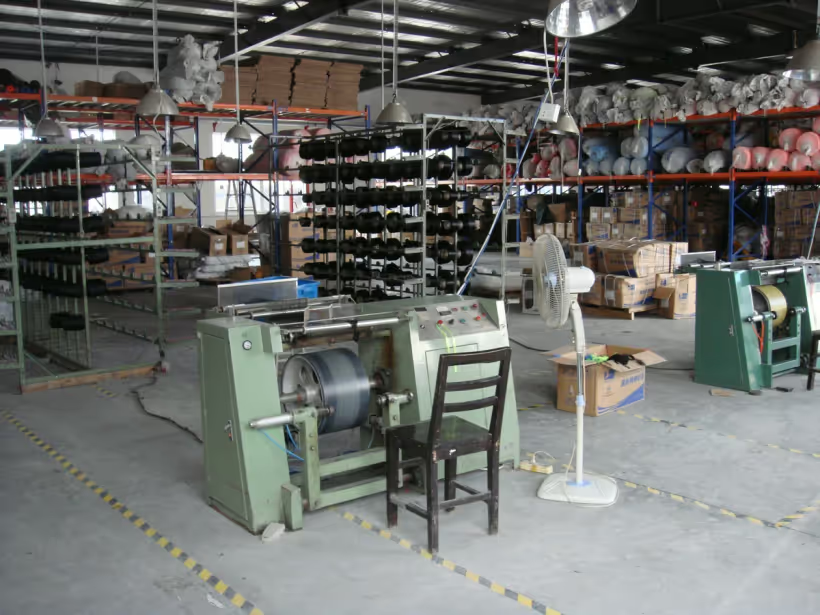
For recurring collar, harness, and leash programs, the first purchase order is only the beginning. Forecasts, dye-lot control, material reservations, split deliveries, and a defined reorder schedule are what keep the next season from turning into a rush order.
We work with buyers planning container-scale or repeat production by reviewing the product mix and schedule early. Where a buyer uses dual sourcing, the practical goal is comparable approved specifications and clear communication, not an unrealistic promise that two factories will produce indistinguishable products without alignment.
Important Checks Before Requesting a Quote
- Share a rolling forecast and peak-season target date before the production calendar is full.
- Set an approved color standard and dye-lot review process for repeat collar and leash programs.
- Define what delivery timing, material substitution, and defect handling mean in the purchase order or supply agreement.
- If using a backup supplier, keep an approved sample, construction sheet, and packaging specification under change control.
How We Support This Sourcing Need
Capacity and holiday scheduling
We can plan confirmed orders around current capacity and material lead times. Holiday inventory needs earlier booking than a normal reorder, particularly for custom webbing, hardware, and retail packaging.
Repeat-order consistency
Approved samples, Pantone references, hardware finishes, and packaging files provide the baseline for repeat production. Dye lots and raw materials should still be reviewed as part of each new run.
Container and split-shipment planning
High-volume programs can be quoted by quantity tier and scheduled as a single shipment or a planned sequence of deliveries, depending on the buyer's warehouse and cash-flow needs.
Practical dual-sourcing support
We can supply the construction information and approved references needed for a disciplined backup-supplier plan. A second source should be qualified before the urgent season, not after the primary production slot is missed.
Related Sourcing Guides
Common Questions
Can you guarantee a production lead time in a supply agreement?
A workable agreement can set target production and ship dates once product specifications, material availability, approval timing, and payment terms are defined. The terms should also state how delays or approved changes are handled.
Will a dual-source program produce exactly matching products?
Not without deliberate control. The buyer needs approved samples, measurement tolerances, color references, component specifications, and a review process for both sources to keep the program aligned.


