
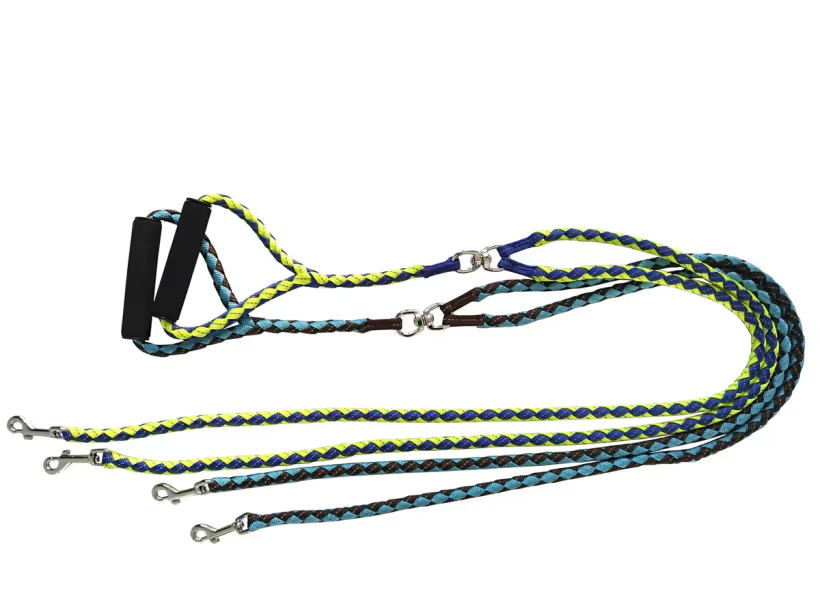
A useful pull-test discussion begins with the product's intended dog size, lead length, webbing width, and hardware rather than a single generic force figure. A short traffic lead and a long training line put different loads on the snap hook, webbing, and seam construction.
We can build test requirements into the product brief before sampling. That gives the approved sample, production inspection, and any third-party report the same reference point instead of asking a lab to solve an unclear specification after the order is finished.
Important Checks Before Requesting a Quote
- Define the target dog weight and intended use before specifying a pull-test load.
- Confirm whether a salt-fog or 72-hour salt-spray requirement applies to the actual hardware finish.
- Compare bartack, box-X, and layered reinforcement at the load-bearing point, not only on an appearance sample.
- Agree on the counter sample and whether an SGS or Intertek report is needed before bulk release.
How We Support This Sourcing Need
Pull-test plan tied to the product
We review webbing width and denier, hardware type, lead length, and the intended dog size together so the requested pull-test plan fits the product rather than relying on a one-size-fits-all claim.
Hardware and corrosion choices
Zinc alloy, stainless steel, aviation aluminum, and welded steel parts each suit different cost and use targets. We can discuss the plating or finish, locking mechanism, and salt-spray exposure required for your market.
Reinforcement at load points
Bartack, box-X stitching, folded webbing, and reinforcement layers are selected around the actual attachment point. The construction needs to be visible in the sample and repeatable in production.
Counter-sample and third-party reports
When a buyer needs independent verification, we can prepare the agreed counter sample and discuss sending it for a tensile or hardware test at a third-party laboratory. The report covers only the tested sample and stated method.
Related Sourcing Guides
Common Questions
Can you certify that every dog leash meets one ISO pull-test standard?
No. There is no single leash-specific ISO pull-test standard to certify against, and the appropriate method and load depend on the construction and intended use. We first agree the product specification, then can discuss sample checks and a third-party test report for the approved configuration.
Is 304 stainless steel always better than zinc alloy for a snap hook?
Not automatically. Stainless steel is useful where corrosion exposure is the priority, while a correctly specified zinc alloy hook can be practical for many everyday programs. The load, finish, mechanism, and cost target all matter.


